Sunday, August 20, 2006

observations shake up galactic formation theories

Technorati Tags: or and or and or and or and or and or and or

Caption: A false-color image of the star AE Aurigae, embedded in a region of space containing smoke-like filaments of carbon-rich dust grains, a common phenomenon. Such dust might be hiding deuterium, an isotope of hydrogen, and stymieing astronomers' efforts to study star and galaxy formation. The FUSE satellite has surveyed the local deuterium concentration in the galaxy and found far more than expected. Because deuterium is a tracer of star and galaxy evolution, this discovery could radically alter theories about how stars and galaxy form. Credit: Credit: T.A. Rector and B.A. Wolpa, NOAO, AURA, and NSF, Usage Restrictions: None.Caption: A false-color image of the star AE Aurigae, embedded in a region of space containing smoke-like filaments of carbon-rich dust grains, a common phenomenon.
Such dust might be hiding deuterium, an isotope of hydrogen, and stymieing astronomers' efforts to study star and galaxy formation. The FUSE satellite has surveyed the local deuterium concentration in the galaxy and found far more than expected.

Because deuterium is a tracer of star and galaxy evolution, this discovery could radically alter theories about how stars and galaxy form. Credit: Credit: T.A. Rector and B.A. Wolpa, NOAO, AURA, and NSF, Usage Restrictions: None.

Surprising telescope observations shake up galactic formation theories

A heavy form of hydrogen created just moments after the Big Bang has been found to exist in larger quantities than expected in the Milky Way, a finding that could radically alter theories about star and galaxy formation, says a new international study led by the University of Colorado at Boulder.

CU-Boulder astrophysicist Jeffrey Linsky said new data gathered by NASA's Far Ultraviolet Spectroscopic Explorer, or FUSE, satellite, shows why deuterium appears to be distributed unevenly in the Milky Way Galaxy. It apparently has been binding to interstellar dust grains, changing from an easily detectable gaseous form to an unobservable solid form, said Linsky, a fellow of JILA, a joint institute of CU-Boulder and the National Institute of Standards and Technology.

The FUSE deuterium study, six years in the making, solves a 35-year-old mystery concerning the distribution of deuterium in the Milky Way while posing new questions about how stars and galaxies are made, according to the research team. A paper on the subject by a team of international researchers led by Linsky is being published in the Aug. 20 issue of The Astrophysical Journal.

"Since the 1970s, we have been unable to explain why deuterium levels vary all over the place," said Linsky. "The answer we found is as unsettling as it is exciting."

Since deuterium -- a hydrogen isotope containing a proton and a neutron -- is believed burned and lost forever during star formation, scientists think the amount of deuterium present in the universe is "pure" and serves as a tracer for star creation and galaxy building over billions of years, said Linsky. While primordial deuterium in the distant, early universe has been measured at concentrations of about 27 parts per million parts hydrogen atoms, measurements by FUSE and NASA's Copernicus satellite have shown a "patchy" distribution of the element in the Milky Way galaxy, often at far lower levels.

In 2003, Princeton University's Bruce Draine, a co-author on the new study, developed a model showing that deuterium, when compared to hydrogen, might preferentially bind to interstellar dust grains. The observations by FUSE -- which can detect the telltale spectral fingerprints of deuterium in the ultraviolet energy range -- strongly support the theory, according to The Astrophysical Journal paper authors.

"Where there are high concentrations of interstellar dust in the galaxy, we see lower concentrations of deuterium gas with FUSE," said Linsky. "And where there is less interstellar dust, we are measuring higher levels of deuterium gas."

In relatively undisturbed areas of the universe -- like regions around Earth's sun, for example -- deuterium atoms systematically "leave" the gas phase and replace normal hydrogen atoms in dust grains, said Linsky. When a pocket of the universe is disturbed by events like a supernova shock wave or violent activity triggered by nearby hot stars, the dust grains are vaporized, releasing deuterium atoms back into a gas, which has been measured by FUSE, the researchers said.

Scientists assumed from astrophysical theories that at least one-third of the primordial deuterium present in the Milky Way was destroyed over time as it cycled through the stars, said Linsky. But according to the new FUSE findings, the present-day deuterium abundance is less than 15 percent below the primordial values.

"This implies that either significantly less material has been converted to helium and heavier elements in stars or that much more primordial gas has rained down onto the galaxy over its lifetime than had been thought," said Linsky. "In either case, our models of the chemical evolution of the Milky Way will have to be revised significantly to explain this important new result."

Launched in 1999, FUSE is a NASA Explorer mission developed in cooperation with the French and Canadian Space Agencies and by Johns Hopkins University, CU-Boulder and the University of California, Berkeley. CU-Boulder's Center for Astrophysics and Space Astronomy designed and built the mission's $9 million spectrograph, which collects and funnels UV light from the satellite's four telescopes. ###

The paper was co-authored by scientists from Princeton, Johns Hopkins and Northwestern universities, the Space Telescope Science Institute, CU-Boulder, the University of Wisconsin-Madison, the University of Texas-Austin, NASA-Goddard, the Laboratoire d'Astrophysique in Marseille, France, and the Observatoire de Paris-Meudon in Meudon, France. Other CU-Boulder co-authors include JILA's Brian Wood, CASA's Michael Shull and CASA doctoral graduate Seth Redfield.

For more information on the FUSE satellite and the spacecraft's search for deuterium go to fuse.pha.jhu.edu/ and fuse.pha.jhu.edu/wpb/.

Contact: Jeffrey Linsky jlinsky@jila.colorado.edu 720-939-7838 University of Colorado at Boulder

RELATED: Keyword, Supernova, Sunday, July 09, 2006 Supernova leaves behind mysterious object, Sunday, June 11, 2006 Massive-star supernovae found to be major space dust factories, Sunday, April 23, 2006 DEADLY ASTRONOMICAL EVENT NOT LIKELY TO HAPPEN IN OUR GALAXY,

Saturday, August 19, 2006

Freedom Calendar 08/19/06 - 08/26/06

August 19, 1862 Republican newspaper editor Horace Greeley writes Prayer of Twenty Millions, calling on President Lincoln to declare emancipation.

August 20, 1996, Bill authored by U.S. Rep. Susan Molinari (R-NY) to prohibit racial discrimination in adoptions, part of Republicans’ Contract With America, becomes law.

August 21, 1959, Republican James Kealoha becomes first Hawaiian and Chinese-American Lt. Governor of Hawaii, after Statehood.

August 22, 1867, Founding of Fisk University; named for Republican Clinton B. Fisk, Commissioner of Freedmen’s Bureau that assisted emancipated slaves.

August 23, 1882, At Texas Republican Party convention, over half of delegates are African-Americans.

August 24, 1985, Death of Hawaiian and Chinese-American Republican James Kealoha, first Lt. Governor of Hawaii after statehood.

August 25, 1862, President Abraham Lincoln authorizes enlistment of African-American soldiers in U.S. Army.

August 26, 1820, Birth of Republican anti-slavery activist James Harlan, U.S. Senator from Iowa, whose statue is in U.S. Capitol.

“This government will meet its responsibility to help those in need. But policies that increase dependency, break up families, and destroy self-respect are not progressive; they're reactionary. Despite our strides in civil rights, blacks, Hispanics, and all minorities will not have full and equal power until they have full economic power.”

Ronald Reagan 40th President of the United States

SOURCE: Republican Freedom Calendar

Technorati Tags: and or and or and or and or and or or and or

Related: Keywords Freedom Calendar, Saturday, August 12, 2006 Freedom Calendar 08/12/06 - 08/19/06, Saturday, August 05, 2006 Freedom Calendar 08/05/06 - 08/12/06, Saturday, July 29, 2006 Freedom Calendar 07/29/06 - 08/05/06, Saturday, July 22, 2006 Freedom Calendar 07/22/06 - 07/29/06, Saturday, July 15, 2006 Freedom Calendar 07/15/06 - 07/22/06, Saturday, July 08, 2006 Freedom Calendar 07/08/06 - 07/15/06, Saturday, July 01, 2006 Freedom Calendar 07/01/06 - 07/08/06, Saturday, June 24, 2006 Freedom Calendar 06/24/06 - 07/01/06, Saturday, June 17, 2006 Freedom Calendar 06/17/06 - 06/24/06, Saturday, June 10, 2006 Freedom Calendar 06/10/06 - 06/17/06, Sunday, June 04, 2006 Freedom Calendar 06/03/06 - 06/10/06, Saturday, May 27, 2006 Freedom Calendar 05/27/06 - 06/03/06, Saturday, May 20, 2006 Freedom Calendar 05/20/06 - 05/27/06, Saturday, May 13, 2006 Freedom Calendar 05/13/06 - 05/20/06, Saturday, May 06, 2006 Freedom Calendar 05/06/06 - 05/13/06, Saturday, April 29, 2006 Saturday, April 22, 2006 Freedom Calendar 04/22/06 - 04/29/06, Saturday, April 15, 2006 Freedom Calendar 04/15/06 - 04/22/06,

Presidential Podcast 08/19/06

Technorati Tags: and or and or and or and or and

Presidential Podcast 08/19/06 en Español

Click here to Subscribe to Our Republican National Convention Blog Podcast Channel with Odeo Subscribe to Our Odeo or Click here to Subscribe to Our Republican National Convention Blog Podcast Channel with Podnova podnova Podcast Channel and receive the weekly Presidential Radio Address in English and Spanish with select State Department Briefings. Featuring real audio and full text transcripts, More content Sources added often so stay tuned.

RELATED: Keywords radio address, podcast, Saturday, August 12, 2006 Presidential Podcast 08/12/06, Saturday, August 05, 2006 Presidential Podcast 08/05/06, Saturday, July 29, 2006 Presidential Podcast 07/29/06, Saturday, July 15, 2006 Presidential Podcast 07/15/06, Monday, July 10, 2006 Presidential Podcast 07/08/06, Saturday, July 01, 2006 Presidential Podcast 07/01/06, Saturday, June 24, 2006 Presidential Podcast 06/24/06, Saturday, June 17, 2006 Presidential Podcast 06/17/06, Saturday, June 10, 2006 Presidential Podcast 06/10/06, Saturday, June 03, 2006 Presidential Podcast 06/03/06, Saturday, May 27, 2006 Presidential Podcast 05/27/06, Saturday, May 20, 2006, Presidential Podcast 05/20/06, Saturday, May 13, 2006 Presidential Podcast 05/13/06, Saturday, April 22, 2006 Presidential Podcast 04/22/06, Saturday, April 15, 2006 Presidential Podcast 04/15/06, Saturday, April 08, 2006 Presidential Podcast 04/08/06, Saturday, Saturday, April 01, 2006 Presidential Podcast 04/01/06, March 18, 2006 Presidential Podcast 03/18/06, Saturday, March 11, 2006 bush radio address 03/11/06 full audio, text transcript, Saturday, March 04, 2006 bush radio address 03/04/06 full audio, text transcript,

bush radio address 08/19/06 full audio, text transcript

Technorati Tags: and or and or and or and or and

President George W. Bush calls troops from his ranch in Crawford, Texas, Thanksgiving Day, Thursday, Nov. 24, 2005. White House photo by Eric Draper.bush radio address 08/19/06 full audio, text transcript. PODCAST and In Focus: Homeland Security

President's Radio Address en Español
Click here to Subscribe to Our Republican National Convention Blog Podcast Channel with Odeo Subscribe to Our Odeo or Click here to Subscribe to Republican National Convention Blog's PODCAST with podnova podnova Podcast Channel and receive the weekly Presidential Radio Address in English and Spanish with select State Department Briefings. Featuring real audio and full text transcripts, More content Sources added often so stay tuned.

THE PRESIDENT: Good morning.

This week I met with my national security, counterterrorism, and economic teams. We've set clear goals: We will defeat the terrorists and expand freedom across the world, we'll protect the American homeland and work tirelessly to prevent attacks on our country, and we will continue to unleash the entrepreneurial spirit of America and build a more prosperous future for all our citizens.

On Monday, I visited the Pentagon and the State Department, where we discussed the war on terror, including the recent conflict in Lebanon, a conflict which began with an unprovoked attack by Hezbollah on Israel. Thanks to the leadership of Secretary Rice and Ambassador Bolton at the United Nations, the U.N. Security Council passed a resolution that will help bring an end to the violence and create a foundation for a sustainable peace.

The resolution calls for a robust international force to deploy to the southern part of Lebanon. This force will help Lebanon's legitimate armed forces restore the sovereignty of its democratic government over all Lebanese territory and stop Hezbollah from acting as a state within a state. The resolution will help make it possible for civilians in both Lebanon and Israel to return home in safety and begin rebuilding their lives without fear of renewed violence and terror.

The United State s is now working with our international partners to turn the words of this resolution into action. The conflict in Lebanon is part of a broader struggle between freedom and terror that is unfolding across the region. Terrorists and their sponsors recognize that the Middle East is at a pivotal moment in its history. Freedom has brought hope to millions, and it's helped foster the development of young democracies from Baghdad to Beirut.

Yet these young democracies are still fragile, and the forces of terror are seeking to stop liberty's advance and steer newly free nations to the path of radicalism. The terrorists fear the rise of democracy because they know what it means for the future of their hateful ideology.

It is no coincidence that two nations that are building free societies in the heart of the Middle East, Lebanon and Iraq, are also the scenes of the most violent terrorist activity. We will defeat the terrorists by strengthening young democracies across the broader Middle East.

The way forward will be difficult, and it will require sacrifice and resolve. But America's security depends on liberty's advance in this troubled region, and we can be confident of the outcome because we know the unstoppable power of freedom.

On Tuesday, I went to the National Counterterrorism Center, where I was briefed by the fine professionals who work day and night to protect our Nation from terrorist attacks. Their efforts are vital, as we saw with the recent terrorist plot to destroy airliners headed for America.

I thanked the men and women of the intelligence community for all they did to help the British government uncover and disrupt this vicious plot. This attempted attack is a reminder to us all: The terrorists remain determined to destroy innocent life on a massive scale, and we must be equally determined to stop them.

On Friday, I met with my economic advisors at Camp David, where we discussed our efforts to keep our economy growing and creating jobs. Our economy has created more than 5.5 million new jobs since August of 2003, more jobs than Japan and the 25 nations of the European Union combined. The unemployment rate is 4.8 percent. The productivity of America's workers is rising, and our economy grew at a strong annual rate of 4 percent during the first half of 2006.

To keep this momentum going, we're pursuing a strategy to sustain our economic growth and keep our economy competitive for decades to come. We will keep taxes low, restrain federal spending, open new markets for American products, invest in new energy technologies, and help American workers develop the skills they need to compete for high wage jobs.

American workers also need affordable, high quality health care, and more transparency in our health care system can help. Next week, I will travel to Minnesota to discuss ways to ensure patients have access to more information about their health care. When patients know the facts about the price and quality of their health care options, they can make decisions that are right for them.

With all these steps, we're working to improve the health, security and prosperity of the American people. Our Nation does not fear the future because we are determined to shape the future. We will build a more peaceful world and leave behind a stronger and better America for our children and grandchildren.

Thank you for listening.

For Immediate Release, August 19, 2006

Related: Keywords radio address, podcast, Saturday, August 12, 2006 bush radio address 08/12/06 full audio, text transcript, Saturday, August 05, 2006 bush radio address 08/05/06 full audio, text transcript, Saturday, July 29, 2006 bush radio address 07/29/06 full audio, text transcript, Saturday, July 22, 2006 bush radio address 07/22/06 full audio, text transcript, Saturday, July 15, 2006 bush radio address 07/15/06 full audio, text transcript, Saturday, July 08, 2006 bush radio address 07/08/06 full audio, text transcript, Saturday, July 01, 2006 bush radio address 07/01/06 full audio, text transcript, Saturday, June 24, 2006 bush radio address 06/24/06 full audio, text transcript, Saturday, June 17, 2006 bush radio address 06/17/06 full audio, text transcript, Saturday, June 10, 2006 bush radio address 06/10/06 full audio, text transcript, Monday, June 05, 2006 bush radio address 06/03/06 full audio, text transcript, Wednesday, May 31, 2006 bush radio address 05/27/06 full audio, text transcript, Saturday, May 20, 2006 bush radio address 05/20/06 full audio, text transcript, Saturday, May 13, 2006 bush radio address 05/13/06 full audio, text transcript,

Discurso Radial del Presidente a la Nación 08/19/06

Etiquetas De Technorati: , y , o y , o , o y o

Presidente George W. Bush llama a tropas de su rancho en Crawford, Tejas, día de Thanksgiving, jueves, de noviembre el 24 de 2005.  Foto blanca de la casa de Eric Draper.forre el audio de la dirección de radio 08/19/06 por completo, transcripción del texto. PODCAST

Discurso Radial del Presidente. en Español
Chascar aquí para suscribir a nuestro canal republicano de Blog Podcast de la convención nacional con Odeo Suscribir a nuestro canal de Podcast de Odeo o del podnova Chascar aquí para suscribir a nuestro canal republicano de Blog Podcast de la convención nacional con Podnova y recibir la dirección de radio presidencial semanal en inglés y español con informes selectos del departamento del estado. Ofreciendo transcripciones audio y con texto completo verdaderas, más fuentes contentas agregaron a menudo así que la estancia templó.

EL PRESIDENTE: Buenos Días. Esta semana me reuní con mis equipos de Seguridad Nacional, Anti-Terrorismo y Económico. Hemos fijado metas claras: derrotaremos a los terroristas y expandiremos la libertad a través del mundo. Protegeremos el territorio estadounidense y trabajaremos incansablemente para prevenir ataques contra nuestro país. Y seguiremos dando rienda libre al espíritu empresarial de Estados Unidos y construyendo un futuro más próspero para todos nuestros ciudadanos.

El lunes visité el Pentágono y el Departamento de Estado, donde hablamos sobre la Guerra contra el Terror, incluyendo el reciente conflicto en Líbano - un conflicto que comenzó con un ataque sin provocación por Hezbolá en Israel. Gracias al liderazgo de la Secretaria Rice y del Embajador Bolton en las Naciones Unidas, el Consejo de Seguridad de la ONU aprobó una resolución que ayudará a lograr un fin a la violencia y crear las bases para una paz duradera. La resolución pide que se destaque una fuerza internacional robusta a la región sur de Líbano. Esta fuerza ayudará a las fuerzas armadas legítimas de Líbano restablecer la soberanía de su gobierno democrático sobre todo el territorio libanés - y hará que Hezbolá deje de actuar como un estado dentro de un estado. La resolución hará posible que civiles tanto en Líbano como en Israel puedan volver a sus hogares con seguridad - y que comiencen a reconstruir sus vidas sin miedo de nueva violencia y terror. Estados Unidos está colaborando con nuestros socios internacionales para convertir en acción las palabras de esta resolución.

El conflicto en Líbano es parte de una lucha más amplia entre la libertad y el terror que se está desenvolviendo en toda la región. Los terroristas y sus patrocinadores reconocen que el Medio Oriente se encuentra en un momento crucial de su historia. La libertad ha traído la esperanza a millones de personas y ha servido para fomentar el desarrollo de jóvenes democracias desde Bagdad hasta Beirut. Sin embargo estas jóvenes democracias aún son frágiles - y las fuerzas del terror están buscando detener el progreso de la libertad y dirigir a las nuevas naciones hacia el camino del radicalismo. Los terroristas temen el surgimiento de la democracia, puesto que saben lo que significa para el futuro de su ideología del odio. No es ninguna coincidencia que dos naciones que están creando sociedades libres en el corazón del Medio Oriente - Líbano e Irak - también sean el escenario de la actividad terrorista más violenta. Derrotaremos a los terroristas fortaleciendo las jóvenes democracias a través del Medio Oriente más amplio. El camino hacia adelante será difícil y exigirá sacrificio y determinación - pero la seguridad de Estados Unidos depende del progreso de la libertad en esta región agitada. Y podemos confiar en el desenlace, puesto que conocemos el poder imparable de la libertad.

El martes fui al Centro Nacional Antiterrorismo, donde recibí información de los excelentes profesionales que trabajan día y noche para proteger a nuestra Nación contra ataques terroristas. Sus esfuerzos son vitales - como vimos con el reciente complot terrorista para destruir aeronaves destinadas a Estados Unidos. Yo agradecí a los hombres y las mujeres de la Comunidad de Inteligencia por todo lo que hicieron para ayudar al gobierno británico a descubrir y desbaratar este complot despiadado. Este ataque atentado es un recordatorio para todos nosotros: los terroristas siguen resueltos a destruir vidas inocentes en una escala masiva - y nosotros debemos estar igualmente resueltos a detenerlos.

El viernes me reuní con mis asesores económicos en Camp David, donde discutimos nuestros esfuerzos por mantener a nuestra economía creciendo y creando empleos. Nuestra economía ha creado más de 5.5 millones de nuevos empleos desde Agosto del 2003 - más empleos que Japón y las 25 naciones de la Unión Europea combinados. La tasa de desempleo está en 4.8 por ciento. La productividad de los trabajadores estadounidenses está creciendo y nuestra economía creció a una tasa anual sólida del 4 por ciento durante la primera mitad de 2006. Para mantener este ímpetu estamos siguiendo una estrategia para sostener nuestro crecimiento económico y mantener competitiva a nuestra economía en las décadas por venir. Mantendremos bajos a los impuestos. limitaremos los gastos federales. abriremos nuevos mercados para productos estadounidenses. invertiremos en nuevas tecnologías energéticas. y ayudaremos a los trabajadores estadounidenses a desarrollar las habilidades que necesiten para competir por empleos con altos salarios.

Los trabajadores estadounidenses también necesitan cuidado de salud económico y de alta calidad - y una mayor transparencia en nuestro sistema de cuidado de salud puede ayudar. La semana entrante viajaré a Minnesota para discutir maneras en que los pacientes puedan tener acceso a más información sobre su cuidado de salud. Cuando los pacientes conocen los hechos en cuanto al precio y la calidad de las opciones para su cuidado de salud, pueden tomar decisiones adecuadas para ellos.

Con todos estos pasos, estamos trabajando para mejorar la salud, la seguridad y la prosperidad del pueblo estadounidense. Nuestra Nación no le teme al futuro - porque estamos determinados a forjar el futuro. Construiremos un mundo más pacífico, y dejaremos atrás un Estados Unidos más fuerte y mejor para nuestros hijos y nuestros nietos.

Gracias por escuchar.

Para su publicación inmediata, Oficina del Secretario de Prensa, 19 de agosto de 2006

Relacionado: Dirección de radio de las palabras claves, podcast, Sábado 12 de agosto de 2006 Discurso Radial del Presidente a la Nación 08/12/06, Sábado 5 de agosto de 2006 Discurso Radial del Presidente a la Nación 08/05/06, Sábado 29 de julio de 2006 Discurso Radial del Presidente a la Nación 07/29/06, Sábado 22 de julio de 2006 , Sábado 15 de julio de 2006 Discurso Radial del Presidente a la Nación 07/15/06 Lunes 10 de julio de 2006 Discurso Radial del Presidente a la Nación 07/08/06, Sábado 1 de julio de 2006 Discurso Radial del Presidente a la Nación 07/01/06, Sábado 24 de junio de 2006 Discurso Radial del Presidente a la Nación 06/24/06, Sábado 17 de junio de 2006 Discurso Radial del Presidente a la Nación 06/17/06, Sábado 10 de junio de 2006 Discurso Radial del Presidente a la Nación 06/10/06, Lunes 5 de junio de 2006 Discurso Radial del Presidente a la Nación 06/03/06, Miércoles 31 de mayo de 2006 Discurso Radial del Presidente a la Nación 05/27/06, Sábado 20 de mayo de 2006 Discurso Radial del Presidente a la Nación 05/20/06, Sábado 13 de mayo de 2006 Discurso Radial del Presidente a la Nación 05/13/06, Sábado 6 de mayo de 2006 Discurso Radial del Presidente a la Nación 05/06/06 , Sábado 29 de abril de 2006 Discurso Radial del Presidente a la Nación 04/29/06,

Friday, August 18, 2006

State Department Daily Press Briefing, VIDEO, PODCAST, TEXT, 08/17/06

Technorati Tags: and or and , or and or , or and , or , or and , or , ,

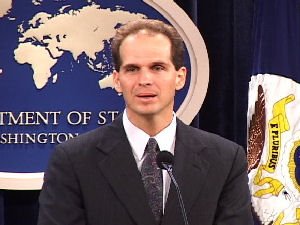
Tom Casey, Director, Office of Press Relations, Bureau of Public AffairsState Dept. Briefing with Tom Casey U.S. State Department spokesman Tom Casey briefs the press and answers questions.8/18/2006: WASHINGTON, DC: 30 min. FULL STREAMING VIDEO, M3U for streaming audio,
running time is 34:13, MP3 for PODCAST Download, running time is 34:13

MR. CASEY: Okay. Good afternoon, everybody. I don't have any statements or announcements for you, so glad to be here with you, but let's go right to your questions.

QUESTION: You're not going to believe this, but it's going to be Iran and about Lebanon. Mr. Burns, this morning, told several of us that the U.S. will move in the UN in early September for sanctions if Iran continues to defy demands that it stop enriching uranium. And I, for one, didn't have the good sense to ask him what kind of sanctions, there being a wide range, some with teeth and some -- mostly a statement of "We don't like what you're doing."

Can you elaborate on what the thinking is, so far as seeking -- is it punitive sanctions, economic, political, travel, whatever?

MR. CASEY: Well, Barry, I don't want to get too far ahead of ourselves here, but as you know, in Resolution 1696, it explicitly provides for a deadline for Iran to respond to the offers. It makes explicit the demands that have been previously made by the IAEA, by the EU-3, among others, first and foremost that Iran cease all uranium enrichment activity. And that's certainly what we want to see happen.

If, however, Iran doesn't take this last opportunity and doesn't take the opportunity to accept the conditions set by the international community, then they will, as stated in the resolution, face sanctions under Article 41 of Chapter 7. In terms of the specifics of those sanctions, as we've always said, there's a wide range of things out there for people to consider, but the international community is committed to taking steps on this. We certainly, though, want to give the Iranians the chance to take this last opportunity to accept the offer that's on the table to cease all uranium enrichment activity and to agree with the world community that the time's come for them to end their threatening behavior and to come into compliance with their international obligations, which is what we've been asking them to do all along.

QUESTION: Do you link this -- does the Administration link their lack of compliance with the role they've played in backing Hezbollah and all or is it just sort of character?

MR. CASEY: Well, Barry, I think unfortunately, we've got a lot of different issues of concern with the Iranian Government. Their nuclear program is certainly one of them and it's one that's drawn a lot of international attention. Obviously, though, another one that has also gotten attention has been their unhelpful and destabilizing role in the region through their support for terror, for Hezbollah as well as for other organizations that are out there. These are all issues that are of concern to us and of concern to us in the broader issue of our relationship and the world's relationship with Iran. I can't draw any particular linkage between them for you, but obviously, they're both things that we treat seriously and want to see dealt with.

Yeah, let's go down here. David.

QUESTION: The thing that Burns said was that he was confident that -- were Iran to fail to respond by the end of the month, that Russia and China would support the next step to sanctions. But the Russians, the day after the resolution was adopted, insisted that it was not in -- there were no automatic sanctions involved and that there would still be a process of negotiations. How do you see that playing out?

MR. CASEY: Well, again, what the P-5+1 agreed to in the package was a package of both incentives and disincentives and both of which are fairly clear out there. The resolution, which was backed by -- you know, fully in the Security Council, including by Russia, says that in the event that Iran does not respond favorably and does not take up the call of the international community to meet its requirements, including a full suspension of uranium enrichment activity, that the next step will be sanctions. And so I think it's agreed to by the Council, including by the P-5+1, that that would be the next step in the event that Iran fails to comply.

QUESTION: But don't people --

MR. CASEY: Go ahead, Barry.

QUESTION: In that next step, there would be specificity of the kind of sanctions, you suppose?

MR. CASEY: Well, obviously --

QUESTION: Or is there a delay; you say it and then people put their heads together and decide how to implement it?

MR. CASEY: Barry, there's been a lot of discussion on this issue in the P-5+1 as well as with other countries involved, but certainly, we will wait and see the circumstances of where we are, whether Iran responds, how it responds and what the nature of that response is before we get to the position of talking specifically which measures would be taken. And obviously, that is something that will need to be discussed at an appropriate time in the Security Council.

QUESTION: Is it also not correct that it's been pushed down the road? There's been a lot of talk about it, but there's never been any agreement yet about what those sanctions would be if Iran did not comply.

MR. CASEY: Well, what I wouldn't tell you, Charlie, is that on the day that the deadline passes, if Iran has not in fact responded, that someone is going to say, "Here is a previously drafted piece of paper that outlines all the actions that will be taken." Again, we need to see exactly what happens, whether Iran does in fact respond or not, and then we can talk in specific terms about what the next steps are.

Sue.

QUESTION: Could you not provide just a couple of examples of what these may include? I mean, what is the range here?

MR. CASEY: Well, Sue, I think a lot of other people, including Under Secretary Burns, have spoken about some of the possibilities there and I don't want to mislead you and I don't want to add anything more to discussion that's already been --

QUESTION: But this is a shifting issue. It's not static. So your ideas may be changing as to what would be appropriate or inappropriate. Do you think that there should be much more forceful action or stricter action now -- I'm not saying force -- much stronger action because of Iran's role in Lebanon?

MR. CASEY: Well, first and foremost, what we think is that Iran should comply with the terms of the resolution. Remember, the goal here isn't to apply sanctions on Iran. The goal here is to change Iranian behavior. And the change in behavior we want to see is Iranian compliance with this resolution and with previous resolutions by the IAEA Board of Governors, with previous agreements that they've signed with the EU-3 among others. And that is principally our focus and we certainly -- there is still time left for Iran to change its mind, to stop its defiance of the international community and to come into compliance. And we think that's where our focus ought to be for right now.

Let's go back here.

QUESTION: About Colombia, is there any statement related with this issue of President Uribe putting in jail the paramilitary's leader in Colombia?

MR. CASEY: I'm sorry, I didn't -- could you say -- with that -- with what?

QUESTION: Yes. President Uribe ordered to put in jail the paramilitary's leader in Colombia. Is there any statement related to that? Is that going to stop the extradition of those people?

MR. CASEY: You know, I hadn't seen his comments so I really can't give you a direct response to it. Obviously we've been very supportive of the efforts of President Uribe and his government to deal with a variety of paramilitary organizations as well as with some of the terrorist groups, FARC among others, that operate in Colombia. But I just don't have anything specific for you on this.

QUESTION: Can we go to the -- I'm asking too many questions. Somebody else?

MR. CASEY: That's okay. Why don't we --

QUESTION: Are you (inaudible) about the UN?

QUESTION: I was going to go to the UN effort.

MR. CASEY: Well, why don't we -- Barry, keep asking your questions and then we'll get to go around.

QUESTION: Okay, I'll try one here. To go to the UN effort: Nobody has identified, as far as I know, who's volunteering although there's some obvious logical applicants. France is a mystery to a lot of us. One minute they seem to be ready to lead the charge, another minute they're sending advisors and maybe one uniformed officer.

QUESTION: And a cook.

QUESTION: And a cook. (Laughter.) No comment. What is --

MR. CASEY: Just going to let that one slide, Barry.

QUESTION: What is the expectation? France and the United States and Britain were the key players in drafting and promoting the resolution. There was a unique -- I think unique -- comity between France and the United States. Is France -- but the United States isn't sending people into the force. Is France going to play what kind of role in this Lebanon force?

MR. CASEY: Well, Barry, I can't guarantee that I'll solve your or my greater mysteries of France or any other country today, but I do hope that the meeting that's taking place at the UN this afternoon -- I believe it's starting at about three -- will help answer some of the questions that are remaining about both who will be contributing as well as some of the more details of how the force will be structured for Lebanon. And it's really important that we do get this force moved forward. As you said, we aren't going to be contributing boots on the ground to this force.

We do, however, have Assistant Secretary John Hillen from Political-Military Affairs who has a great deal of experience in planning and organizing on peacekeeping operations, as well as another group of officials from his bureau who are in New York today to participate in events up there. And certainly we have talked about the possibility of the U.S. providing logistical or other kinds of support to the force as it’s stood up. In terms of specific contributions, again, from the French or from any of the other countries that have talked about the possibility of participating in this, this is something we're going to look to get some greater clarity on today.

Yeah.

QUESTION: Have you heard directly from the French that they're considering a much reduced?

MR. CASEY: As far as I know, the French along with everyone else in the Security Council still shares the objectives laid out in 1701, which is that we're going to have a strong and robust force, one that's capable of fulfilling the mission that's laid out for it. And I certainly haven't -- I'm not aware of any comments we've had from the French or from anyone else that they want to change what's in that resolution or change the nature of the force or, you know, reduce it in any way, shape or form.

Libby.

QUESTION: Is there a lot of pushing behind the scenes from U.S. officials and others trying to get them to be the lead here? Do they really need to be pushed towards this or is it something that --

MR. CASEY: Look, I think -- first of all, and Barry mentioned this before, a lot of the progress that has been -- the international community has been able to help Lebanon make over the last couple of years, has occurred because there has been a convergence of views not only between the United States and France, but between all the major players on the international scene, including most of Lebanon's neighbors with the notable exceptions of Syria and Iran. So I don't think either the Government of France or anyone else needs to be pushed to support the objectives here and the objectives are pretty clearly getting the Lebanese Government full sovereignty over its country and to do that, we need and to have a strong force. I'm also not going to try and prejudge for you what their contribution or any other country's individual contribution is going to be to this. But the French have very clearly indicated to us that they do, you know, want to see this force be a success and do, as far as I know, intend to play a role in it. Size and scope, that's part of what we'll be talking about today up at the UN.

QUESTION: Is Under Secretary Burns talking to the French today before this meeting to try to say, hey, you know --

MR. CASEY: Well, I know he's been talking to you guys.

QUESTION: Yeah.

MR. CASEY: Or at least for the Defense Writers Group.

QUESTION: With the Secretary out of town, I mean, who's talking to the French from our side besides John Hillen?

MR. CASEY: Well, again, John's up there in New York and is the action person on the ground for this. The Secretary, despite not being here in the building today, did, in fact, have a conversation with French Foreign Minister Douste-Blazy today. That was, again, just to talk about the general situation in Lebanon and the prospects for the force, as well as for how we intend to help, working together, move forward on all the aspects of Resolution 1701.

QUESTION: Did she initiate that conversation?

MR. CASEY: You know, Barry, I don't know who initiated the call. I'm sorry.

QUESTION: Okay.

MR. CASEY: Teri.

QUESTION: Turkey is one of the countries that is reported to be volunteering soldiers, but Turkey was also -- is also suspected of being a major transit country for much of the materials that made it to Hezbollah. Are you aware of those charges and does that cause you any concern?

MR. CASEY: Well, I've seen press reports about it. I think the one thing that's clear to us is that the Government of Turkey, like most of the governments in the region, like most of the governments in Europe, are committed to seeing Resolution 1701 succeed. And one of the things that, of course, is part of that is ensuring that no arms are transferred to Lebanon other than to the legitimate armed forces of that country. Certainly, that's an issue that we've talked about not only with Turkey, but with other countries in the region. I fully believe the Turks are committed to seeing that happen and make sure that that resolution is successfully implemented, so --

QUESTION: You've talked with Turkey specifically about not letting any materials transit or are you saying you've only had general conversations with them like you have had with all the other countries?

MR. CASEY: No, my understanding, Teri, is that the issue of potential arms shipments through Turkey and through other countries are things that we have talked about to the -- with the Turkish Government. I understand that they are very concerned about this issue as well and we're fully convinced that they are taking and doing what would be necessary to prevent arms transfers from going through.

QUESTION: Along those same lines, yesterday, Shimon Peres said that they had been surprised to find some of the missiles, long range, laser-guided, short range had come from Russia and China, that -- models they didn't know that Hezbollah had. Are you similarly convinced, as you are with Turkey, that Russia and China are not going to let this embargo be broken, even though they're major suppliers?

MR. CASEY: Look, Teri, I would take it on face value that any country that voted for Resolution 1701 intends to comply with its terms and yeah, I would certainly include the -- two of the Permanent Five members of the Security Council in that regard.

QUESTION: Is there any evidence that there have been any arms shipments from either Iran or Syria since the truce took effect on Monday?

MR. CASEY: Not that I'm aware of.

Mr. Lambros.

QUESTION: On the same issue on Turkey, the Republic of Cyprus and France agreed for French military forces to use the Cypriot air bases meaning to be deployed in Lebanon in the framework of the UN Peacekeeping Force, for which the U.S. Government is very concerned about the security of the Middle East. Do you have any objection to this agreement between the Republic of Cyprus and France?

MR. CASEY: Well, Mr. Lambros, I'm not familiar with the agreement or the specific terms of it. As you know, we've been very grateful to the Government of Cyprus for the support it gave us, as well as any number of other countries in assisting with the departure of our citizens from Lebanon earlier on in the crisis. Certainly, if, in the context of the discussions in New York today and in the context of deploying forces for UNIFIL, the Government of Cyprus wishes to make a contribution to that effort and that's developed and accepted as part of the plan, then that would be something we would obviously support.

QUESTION: And also, the Armenian National Committee of America yesterday, with an open letter to President Bush, urged your government to block Turkey deploying troops in Lebanon, saying that deployment is contrary to the U.S. national interests and would undermine the peace in the entire area. Any comment on that?

MR. CASEY: Well, sorry to say, I didn't see the letter, but what I can tell you, again, is that we've got a very active set of discussions going on in New York about how to stage and organize the expanded, more robust UNIFIL force. Obviously we are looking for any countries that wish to participate in that force to come to the table and participate in those discussions, and that certainly would include Turkey.

Sue.

QUESTION: Hezbollah seems to be out in full force helping people to recover from this conflict, you know, clearing rubble, et cetera, et cetera. Are you concerned that its credibility within the community will be boosted by all this assistance that they're providing to the local communities? And also it frequently takes the U.S. quite a bit of time to get reconstruction efforts in place because of various procurement rules and other cumbersome bureaucracy. I've just wondered whether -- what your views were on that.

MR. CASEY: Well, look, in terms of what Hezbollah's activities are, I don't think I have any specific comments on it. We have an understanding of what Hezbollah is and does, and I don't think I need to elaborate on that for you.

In terms of U.S. assistance though, you know, we have made -- we made an initial contribution at the beginning of this effort of $30 million in humanitarian relief. About $23 million of that is already in effect on the ground. That takes the form of both badly needed medical supplies, cash contributions to the International Committee of the Red Cross. We of course also have been working extensively with the UN, with the ICRC and with others in terms of helping to be able to deploy the aid that is available down to the region. The Secretary of course has noted that we're already adding another $20 million onto that again for immediate assistance and we expect to be very active participants in the donors conference that's going to be coming up on the 31st as well.

Obviously we want to see everybody in the international community do what they can to meet both the short- and long-term needs of the Lebanese people here, and I believe we had more than $425 million in aid that's already been pledged, including the U.S. contributions, by the international community to date. But there's a lot more that needs to be done and the United States certainly intends to be a very active player in that. But again, I'd contend the concept that we haven't already been able to put aid in, particularly put aid in directly on the ground in places where it's needed already.

QUESTION: But are you concerned that Hezbollah is moving in and filling the vacuum rather quickly?

MR. CASEY: Well, what we're concerned with is making sure that the Lebanese Government is strengthened as a result of these efforts, that the Lebanese Government is the one that has full and complete responsibility at the end of the implementation of this resolution not only for security inside the country but also for all the kinds of things and services that governments regularly provide. And I think that's our end goal. That's what we're working towards and we fully expect to make that.

QUESTION: And do you think that Gulf states should be doing more to assist?

MR. CASEY: Well, I don't want to try and single out any individual countries. I think we are interested in seeing that everyone in the international community do what they can to be able to support the Lebanese people and support both immediate humanitarian needs as well as longer-term reconstruction efforts.

David.

QUESTION: Just a -- do you have an update on the situation with the two Israeli soldiers who were kidnapped? Livni yesterday in New York said that the absence of their release was already a violation of the UN resolution.

MR. CASEY: Well, again, you know, the resolution makes clear that we want to see an immediate and unconditional release of those soldiers. That hasn't happened yet. We do want to see it occur and it is something that's called for in the resolution. But I don't have any specific updates for you in terms of their status.

Let's go back here.

QUESTION: A question on trade. Can you confirm that talks between the United States and European Union over the Open Skies pacts are now being delayed?

MR. CASEY: Let me see what I can come up with for you on that. Okay, let me see if I can get this right.

First of all, the air transport agreement, or so-called Open Skies agreement, hasn't been delayed and we are committed to concluding the agreement by the end of this year, which is something that the President and his EU counterparts agreed to at the summit this past June.

There have been some press reports about a delay in a Department of Transportation rulemaking. This concerns the eligibility for foreign participation in the ownership or management of U.S. carriers. Basically, as I understand it, the Department of Transportation determined that the original timeline for doing this, which was for early September, wasn't sufficient to be able to address all the concerns that Congress had raised, so I think we are now looking at -- my understanding from them is, and you might want to check with them for details on this -- is that they're now looking at October 12 when the EU Transportation Council meets as an opportunity to have the procedures finalized. So anyway, we'll continue consultations on this but we again do hope to meet the deadline of having this concluded by the end of the year.

Charlie.

QUESTION: Well, do you have anything to say about the State Department's role in the arrest of the suspect in the JonBenet Ramsey case in Thailand?

QUESTION: We're trying to get on air today. (Laughter.)

MR. CASEY: Well, I'm not sure I can really help you with that.

QUESTION: Just doing what --

MR. CASEY: Look, as is always the case, the embassy in Thailand served as a go-between for those officials here in the United States who were working on the case and Thailand officials, but at this point really I'm just going to have to leave it to the district attorney’s office and the other folks who are, as I said before I came out there, all amply out there talking about this case. Obviously it's an ongoing legal matter too and leave it to the appropriate people in the criminal justice system to talk about it.

QUESTION: There's been some initial reports about the success of the poppy eradication programs in Afghanistan saying that the production of poppies and opium have almost doubled over the last year. Is the State Department going to reconsider its action and its planning in the eradication?

MR. CASEY: Well, first of all, I think you've heard not only from us but from President Karzai as well that we consider poppy production in Afghanistan to be a major problem. Obviously, it is an issue where, you know, crop measurements from year to year go up or down, you know, depending on a whole series of factors. But the most important thing is that this is a serious problem. It's a problem for the integrity of the Government of Afghanistan. It's a problem that any government faces if they have a huge illicit economy, something that helps promote violence that can potentially be used as a source of funding for all kinds of criminal activities, including terrorism.

The United States has been working actively with the Government of Afghanistan on a variety of programs designed to help reduce production as well as interdict drugs, as they're trying to be trafficked out of the country. And obviously we're going to continue to work with the Government of Afghanistan on it. Clearly, as the situation evolves, you know, our tactics will evolve as well, but the strategic goals remains the same.

QUESTION: But there's been reports that the fields have doubled in size in many areas. Are they going to double the funding?

MR. CASEY: Well, Kirit, I don't have any statistics or new statistics to offer you beyond what has already been reported both through our national channels as well as through the UN. Obviously, we'll devote the resources we believe are necessary and appropriate to help the Government of Afghanistan deal with the situation there. Certainly, there are others in the international community. The British, in particular, have been a lead player in efforts to deal with poppy cultivation in Afghanistan. But you know, obviously, we've got a plan in place now -- like to try and start getting it implemented in a more serious way, as more funds have been made available in this year's budget and look forward to be able to do so again with the full cooperation of the Government of Afghanistan.

Yeah, Teri.

QUESTION: Change of subject?

MR. CASEY: Sure.

QUESTION: On Sudan, the AU said yesterday that it's running out of money and it will not be able to maintain its forces there. And the government still opposes the international -- UN international force coming in to replace it or to supplement it. Do you have any new information on that?

MR. CASEY: Well, I don't have a lot of new information to provide you, Teri. Of course, we pledged back in July $116 million in additional support for the African Union forces in Sudan. That's to cover their operating expenses through the end of September which was the initial terms of their mandate. Obviously, we and everyone else will have to look at if that mandate is extended what we might need to do to be able to continue to fund that effort. Again, there are discussions that are going on at the UN and elsewhere on how we take that force and convert it into a stronger UN force that's capable of implementing the Darfur Peace Agreement, but I don't have anything new to offer you in terms of specifics on that.

QUESTION: Once again, if you can't get this -- the government in Khartoum to agree, you basically don't have a UN force going in, even if it exists, right?

MR. CASEY: Well, again, Teri, you know, every time we've come to these junctures, we've ultimately seen the government and the Khartoum do what's in their best interest and we'd be looking for them to do the same in this case, too.

Let's go -- David. Do you want to go over here?

QUESTION: Tom, it was reported this week that the Iranian Government is threatening to put Nobel laureate -- Nobel Peace laureate Shirin Ebadi in prison if she doesn't shut down her -- basically a center for protection of human rights. And this is supposedly taking place in the context of a much more severe attitude by the Iranian Government. I wonder if you had anything on that issue?

MR. CASEY: Well, I don't have anything specific on that, David, and I can't confirm those reports for you. I think, in general, though it's certainly unfortunate but is all too typical of the tactics employed by the Iranian Government that it represses those in civil society or those in the media who choose to speak out against its practices. And certainly we would hope that no action would be taken against her or against any other individual who is merely trying to exercise their rights to free speech and to exercise their rights to discuss the situation in their country.

QUESTION: Another thing, this week an exhibit opened up in Tehran with at least the tacit approval of the government. You could describe it as lampooning the Holocaust. It's a cartoon contest not directly sponsored by the government, but obviously it couldn't happen without their -- at least acquiescence. Anything on that?

MR. CASEY: Well, I think we spoke to this awhile ago when this "contest" was first proposed. And one of the things noted at the time was that the newspaper that was first proposing it, of course, was basically owned and operated I believe by the mayoralty of Tehran, so hardly a institution that is free from government influence and otherwise. But again, why is this happening? I think that I've seen press reports indicating that some folks in the Iranian Government are claiming this is an exercise in free speech. I think it's hard to say in a government that, as you just pointed out, makes a regular habit of repressing dissent and of prohibiting anyone who disagrees with it from being able to speak out sometimes at the expense of being put in jail or facing other kinds of serious consequences.

That's really hard to believe that this is somehow some spontaneous action on the part of civil society in Iran. And certainly while people do have a right to speak out on a variety of political issues -- and people do and should have a right to speak out -- I think our main concern in Iran is that people be given the opportunity speak out about the situation in their own country, that they be given an opportunity to talk about the problems that they see there, that they not face penalties for being able to do so and that ultimately, they'd be given the opportunity to choose their own government in free and fair elections, all of which we haven't seen there.

QUESTION: Can I get you with one more?

MR. CASEY: Sure.

QUESTION: Over the past couple years there have been a lot of journalists kidnapped in Palestinian areas. This recent one involving Steve Centanni of Fox is going on quite a bit longer than the others, which seem to have been resolved within a couple days. And I wonder could you say specifically what the U.S. Government is doing? Are there indirect contacts with Hamas, for instance, to try to expedite the end of this affair?

MR. CASEY: Well, I think you've heard from Sean on this earlier as well. And unfortunately, I don't have much of an update to offer you over what you've heard the past couple of days. We do continue to be in contact with Prime Minister* Abbas's office, though, and other Palestinian officials associated with him and certainly continue to call for the immediate release of him as well as any other people who have been taken hostage. Certainly, it should never come to the situation where someone who's practicing his profession and trying to report on what's happening, whether that's in the territories or elsewhere, should be prohibited from doing so and should face this kind of situation. But we do continue to be in contact with Palestinian officials about this.

QUESTION: Isn't it terrible that something like this could happen without the knowledge of Hamas, for instance, who --

MR. CASEY: Well, you know, David, I really don't want to speculate on that. I think the main thing and the main concern for us is trying to do what we can to see that he gets released and gets back to his job and gets back to his family.

QUESTION: Abbas met this week with the head of the Hamas government and came out talking about progress in terms of an agreement on a national -- what they call a national unity government which would be based on a document that would call for an end to all attacks on Israel and have implicit recognition of Israel by the government. Are you -- is the U.S. kind of tracking this, these talks? Do you agree that it looks like there's something happening? I mean, Abbas also spoke about some kind of a resolution to be presented to the General Assembly next month.

MR. CASEY: Well, look, we obviously have great respect for President Abbas and for the efforts that he has made to move forward on the road to peace, to try and move forward on the roadmap, who certainly, as you've seen throughout the crisis over the last couple of months, has been someone who we have spoken with and looked to for support in helping to bring about peaceful resolutions of the situation. I think though in terms of any arrangements involving the Hamas-led government, you have a pretty clear indication of what we want to see happen, and that's been laid out by the Quartet. And obviously any agreement that would be reached or any future government plan that might be come up with would be viewed in light of the conditions that are set out there.

Mr. Lambros.

QUESTION: On Cyprus. Mr. Casey, it was reported extensively that the president of San Diego State University made an agreement with the Turkish Cypriot leader Mehmet Ali Talat to open in the Turkish-occupied area of Cyprus a so-called "Eastern Mediterranean University." Since it's an illegal deal by the state of California against (inaudible), I am wondering if you comment on that due to the point it's a matter of foreign policy.

MR. CASEY: Well, I think it's a matter of university policy, actually, Mr. Lambros, and I'd refer you to the university for that. I don't have any information about that issue.

Thanks, guys.

(The briefing was concluded at 1:13 p.m.), DPB # 138, *President, Released on August 17, 2006

Related: Keywords State Department, Thursday, August 17, 2006 Media Stakeout Ambassador Anne Woods Patterson Sudan VIDEO, Wednesday, August 16, 2006 Middle East Update 08/16/06 VIDEO, PODCAST, TEXT, Tuesday, August 15, 2006 Media Stakeout Ambassador John Bolton 08/15/06 (VIDEO), Tuesday, August 15, 2006 State Department Daily Press Briefing, VIDEO, PODCAST, TEXT, 08/14/06, Thursday, August 10, 2006 State Department Daily Press Briefing, VIDEO, PODCAST, TEXT, 08/10/06, Saturday, August 12, 2006 UN Adopts Resolution on Lebanon (VIDEO), Friday, August 11, 2006 International Initiative to Combat Kleptocracy VIDEO, PODCAST, TEXT, Thursday, August 10, 2006 State Department Daily Press Briefing, VIDEO, PODCAST, TEXT, 08/10/06, Wednesday, August 09, 2006 Media Stakeout Minister Tarek Mitri Lebanon (VIDEO), Wednesday, August 09, 2006 Media Stakeout Ambassador Dan Gillerman Israel (VIDEO), Wednesday, August 09, 2006 Media Stakeout Ambassador John Bolton (VIDEO), Tuesday, August 08, 2006 Lebanon - Stakeout by Ambassador de La Sablière VIDEO, PODCAST, TEXT, Monday, August 07, 2006 Condoleezza Rice on Mid East Cease-Fire (VIDEO), Friday, August 04, 2006 Condoleezza Rice to the People of Cuba VIDEO, PODCAST, TEXT, Wednesday, July 26, 2006 State Department Daily Press Briefing, VIDEO, PODCAST, TEXT, 07/26/06, Tuesday, July 25, 2006 Condoleezza Rice With Israeli Foreign Minister Livni in Jerusalem, Saturday, July 22, 2006 Condoleezza Rice, Middle East and Europe VIDEO, PODCAST, TEXT, Friday, July 21, 2006 State Department Daily Press Briefing, VIDEO, PODCAST, TEXT, 07/20/06, Thursday, July 20, 2006 Secretary Rice, Patriarch Nasrallah Sfeir, VIDEO, PODCAST, TEXT, Tuesday, July 18, 2006, Evacuation of U.S. Citizens from Lebanon VIDEO, PODCAST, TEXT,

Statement on the Terrorist Surveillance Program

Technorati Tags: and or and , or and , or , and , or , and or

Statement on the Terrorist Surveillance Program

Last week America and the world received a stark reminder that terrorists are still plotting to attack our country and kill innocent people. Today a federal judge in Michigan has ruled that the Terrorist Surveillance Program ordered by the President to detect and prevent terrorist attacks against the American people is unconstitutional and otherwise illegal. We couldn't disagree more with this ruling, and the Justice Department will seek an immediate stay of the opinion and appeal. Until the Court has the opportunity to rule on a stay of the Court's ruling in a hearing now set for September 7, 2006, the parties have agreed that enforcement of the ruling will be stayed.

United States intelligence officials have confirmed that the program has helped stop terrorist attacks and saved American lives. The program is carefully administered, and only targets international phone calls coming into or out of the United States where one of the parties on the call is a suspected Al Qaeda or affiliated terrorist. The whole point is to detect and prevent terrorist attacks before they can be carried out. That's what the American people expect from their government, and it is the President's most solemn duty to ensure their protection.

The Terrorist Surveillance Program is firmly grounded in law and regularly reviewed to make sure steps are taken to protect civil liberties. The Terrorist Surveillance Program has proven to be one of our most critical and effective tools in the war against terrorism, and we look forward to demonstrating on appeal the validity of this vital program.

# # # For Immediate Release, Office of the Press Secretary, August 17, 2006

RELATED: Keywords, Alberto R. Gonzales, Thursday, August 17, 2006 ACLU v. NSA, FULL TEXT, Thursday, August 10, 2006 Chertoff, Gonzales, United Kingdom, liquid explosives (VIDEO), Friday, June 23, 2006 Seven Florida Men Charged with Conspiring to Support al Qaeda (VIDEO), Thursday, April 27, 2006 Operation Falcon II (VIDEO), Thursday, January 26, 2006 Gonzales to Lead U.S. Delegation to Honduras Inauguration, Wednesday, January 04, 2006 Jack Abramoff Press Release and VIDEO, Wednesday, November 23, 2005 Attorney General Gonzales on Jose Padilla (VIDEO), Wednesday, July 06, 2005 ATTORNEY GENERAL GONZALES TRAVELS TO BAGHDAD, Sunday, April 24, 2005 DRAM CONSPIRACY, Monday, April 18, 2005 Operation FALCON, Friday, March 11, 2005 ALBERTO R. GONZALES ON THE AL-MOAYAD AND ZAYED CONVICTIONS, Friday, February 25, 2005 Alberto R. Gonzales priorities of Justice, Friday, February 04, 2005 Confirmation Alberto R. Gonzales Attorney General, Wednesday, January 05, 2005 Judiciary Committee Alberto R. Gonzales, Wednesday, November 10, 2004 The Honorable Alberto R. Gonzales,

Thursday, August 17, 2006

Media Stakeout Ambassador Anne Woods Patterson Sudan VIDEO

Technorati Tags: and or and , or and or , or and ,

Deputy Permanent Representative of the United States of America, Ambassador Anne Woods Patterson. State Department Photo.Media Stakeout: Informal comments to the Media by the Deputy Permanent Representative of the United States of America, Ambassador Anne Woods Patterson,on the situation in Sudan. [Webcast: Archived Video - file is real media format, running time is 3:20 minutes] FULL STREAMING VIDEO BIOGRAPHY, Anne W. Patterson Deputy Permanent Representative of the United States of America, at the U.S. Mission to the United Nations
Related: Keywords State Department, Wednesday, August 16, 2006 Middle East Update 08/16/06 VIDEO, PODCAST, TEXT, Tuesday, August 15, 2006 Media Stakeout Ambassador John Bolton 08/15/06 (VIDEO), Tuesday, August 15, 2006 State Department Daily Press Briefing, VIDEO, PODCAST, TEXT, 08/14/06, Thursday, August 10, 2006 State Department Daily Press Briefing, VIDEO, PODCAST, TEXT, 08/10/06, Saturday, August 12, 2006 UN Adopts Resolution on Lebanon (VIDEO), Friday, August 11, 2006 International Initiative to Combat Kleptocracy VIDEO, PODCAST, TEXT, Thursday, August 10, 2006 State Department Daily Press Briefing, VIDEO, PODCAST, TEXT, 08/10/06, Wednesday, August 09, 2006 Media Stakeout Minister Tarek Mitri Lebanon (VIDEO), Wednesday, August 09, 2006 Media Stakeout Ambassador Dan Gillerman Israel (VIDEO), Wednesday, August 09, 2006 Media Stakeout Ambassador John Bolton (VIDEO), Tuesday, August 08, 2006 Lebanon - Stakeout by Ambassador de La Sablière VIDEO, PODCAST, TEXT, Monday, August 07, 2006 Condoleezza Rice on Mid East Cease-Fire (VIDEO), Friday, August 04, 2006 Condoleezza Rice to the People of Cuba VIDEO, PODCAST, TEXT, Wednesday, July 26, 2006 State Department Daily Press Briefing, VIDEO, PODCAST, TEXT, 07/26/06, Tuesday, July 25, 2006 Condoleezza Rice With Israeli Foreign Minister Livni in Jerusalem, Saturday, July 22, 2006 Condoleezza Rice, Middle East and Europe VIDEO, PODCAST, TEXT, Friday, July 21, 2006 State Department Daily Press Briefing, VIDEO, PODCAST, TEXT, 07/20/06, Thursday, July 20, 2006 Secretary Rice, Patriarch Nasrallah Sfeir, VIDEO, PODCAST, TEXT, Tuesday, July 18, 2006, Evacuation of U.S. Citizens from Lebanon VIDEO, PODCAST, TEXT,

ACLU v. NSA, FULL TEXT

Technorati Tags: and or and , or and , or , and , or , and or

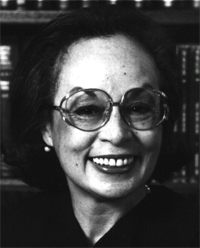
Photo by Michigan Supreme Court Historical SocietyJudge Anna Diggs Taylor of the US District Court, Eastern District of Michigan, Southern Division. ruled Thursday that the National Security Agency's program of warrantless wiretapping is unconstitutional and ordered an immediate halt.

Judge Taylor rules it violates the rights to free speech and privacy as well as the separation of powers.
“Plaintiffs have prevailed, and the public interest is clear, in this matter. It is the upholding of our Constitution,” Judge Taylor wrote in her 43-page opinion. Judge Anna Diggs Taylor, Biography

UNITED STATES DISTRICT COURT, EASTERN DISTRICT OF MICHIGAN, SOUTHERN DIVISION

AMERICAN CIVIL LIBERTIES UNION; AMERICAN CIVIL LIBERTIES UNION FOUNDATION; AMERICAN CIVIL LIBERTIES UNION OF MICHIGAN; COUNCIL ON AMERICAN-ISLAMIC RELATIONS; COUNCIL ON AMERICAN ISLAMIC RELATIONS MICHIGAN; GREENPEACE, INC.; NATIONAL ASSOCIATION OF CRIMINAL DEFENSE LAWYERS; JAMES BAMFORD; LARRY DIAMOND; CHRISTOPHER HITCHENS; TARA MCKELVEY; and BARNETT R. RUBIN,

Plaintiffs, v.

NATIONAL SECURITY AGENCY / CENTRAL SECURITY SERVICE; and LIEUTENANT GENERAL KEITH B. ALEXANDER, in his official capacity as Director of the National Security Agency and Chief of the Central Security Service, Defendants.

Case No. 06-CV-10204, Hon. Anna Diggs Taylor

MEMORANDUM OPINION I. Introduction

This is a challenge to the legality of a secret program (hereinafter “TSP”) undisputedly inaugurated by the National Security Agency (hereinafter “NSA”) at least by 2002 and continuing today, which intercepts without benefit of warrant or other judicial approval, prior or subsequent, the international telephone and internet communications of numerous persons and organizations within this country. The TSP has been acknowledged by this Administration to have been authorized by the President’s secret order during 2002 and reauthorized at least thirty times since.1

Plaintiffs are a group of persons and organizations who, according to their affidavits, are defined by the Foreign Intelligence Surveillance Act (hereinafter “FISA”) as “U.S. persons.”2 They conducted regular international telephone and internet communications for various uncontestedly legitimate reasons including journalism, the practice of law, and scholarship. Many of their communications are and have been with persons in the Middle East. Each Plaintiff has alleged a “well founded belief” that he, she, or it, has been subjected to Defendants’ interceptions, and that the TSP not only injures them specifically and directly, but that the TSP substantially chills and impairs their constitutionally protected communications. Persons abroad who before the program spoke with them by telephone or internet will no longer do so.

Plaintiffs have alleged that the TSP violates their free speech and associational rights, as guaranteed by the First Amendment of the United States Constitution; their privacy rights, as guaranteed by the Fourth Amendment of the United States Constitution; the principle of the Separation of Powers because the TSP has been authorized by the President in excess of his Executive Power under Article II of the United States Constitution, and that it specifically violates the statutory limitations placed upon such interceptions by the Congress in FISA because it is conducted without observation of any of the procedures required by law, either statutory or Constitutional.

Before the Court now are several motions filed by both sides. Plaintiffs have requested a permanent injunction, alleging that they sustain irreparable damage because of the continued existence of the TSP. Plaintiffs also request a Partial Summary Judgment holding that the TSP violates the Administrative Procedures Act (“APA”); the Separation of Powers doctrine; the First and Fourth Amendments of the United States Constitution, and the statutory law. Defendants have moved to dismiss this lawsuit, or in the alternative for Summary Judgment, on the basis of the state secrets evidentiary privilege and Plaintiffs’ lack of standing.

1. Available at Press Conference of the President (VIDEO) 12/19/05
2. Pub. L. 95-511, Title I, 92 Stat 1976 (Oct. 25, 1978), codified as amended at 50 U.S.C. §§ 1801 et seq.

Judge Anna Diggs Taylor, 08/17/2006, (06-10204)AMERICAN CIVIL LIBERTIES UNION et al., v. NATIONAL SECURITY AGENCY / CENTRAL et al.Memorandum and Order, FULL TEXT in PDF format

Judge Anna Diggs Taylor, 08/17/2006, (06-10204) AMERICAN CIVIL LIBERTIES UNION et al. v. NATIONAL SECURITY AGENCY / CENTRAL et al.Judgment and Order for Permanent Injunction, FULL TEXT in PDF format

RELATED: Keywords, Alberto R. Gonzales, Thursday, August 10, 2006 Chertoff, Gonzales, United Kingdom, liquid explosives (VIDEO), Friday, June 23, 2006 Seven Florida Men Charged with Conspiring to Support al Qaeda (VIDEO), Thursday, April 27, 2006 Operation Falcon II (VIDEO), Thursday, January 26, 2006 Gonzales to Lead U.S. Delegation to Honduras Inauguration, Wednesday, January 04, 2006 Jack Abramoff Press Release and VIDEO, Wednesday, November 23, 2005 Attorney General Gonzales on Jose Padilla (VIDEO), Wednesday, July 06, 2005 ATTORNEY GENERAL GONZALES TRAVELS TO BAGHDAD, Sunday, April 24, 2005 DRAM CONSPIRACY, Monday, April 18, 2005 Operation FALCON, Friday, March 11, 2005 ALBERTO R. GONZALES ON THE AL-MOAYAD AND ZAYED CONVICTIONS, Friday, February 25, 2005 Alberto R. Gonzales priorities of Justice, Friday, February 04, 2005 Confirmation Alberto R. Gonzales Attorney General, Wednesday, January 05, 2005 Judiciary Committee Alberto R. Gonzales, Wednesday, November 10, 2004 The Honorable Alberto R. Gonzales,